
Cubbies · Ages 7–11
Discover. Practice. Build strong habits. On this page, cubbies · ages 7–11 is presented as part of the wider 7MK12 pathway. Families and supporters can use these details to decide what questions to ask, what to practice, and how to take a realistic next step.
The Seven M’s are Management, Mission, Movement, Music, Media, Math, and Money. Students revisit them as they grow, but the work changes with their age. Younger learners build habits through concrete activities, while older students take on deeper projects, more independent decisions, and a clearer view of life after school.
Lessons connect subjects that are often taught separately. A student planning an enterprise idea might manage a schedule, identify a purpose, communicate through media, calculate a budget, and consider what to do with earnings. That connection helps turn knowledge into choices they can practice.
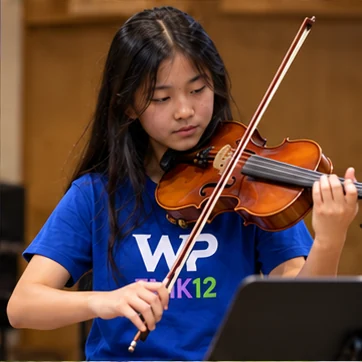
Cubbies · Explore and practice
Ages 7–11 learn by trying things together. They practice simple routines, identify strengths, move and play safely, tell stories, explore rhythm, compare amounts, and distinguish needs from wants. Mentors look for curiosity, participation, and the ability to explain one choice in the student’s own words.
THE SEVEN M’S IN PRACTICE
What learners study and how they grow
Each domain has a practical purpose, visible work, and a next step. Activities and expectations change across Cubbies, Junior, and Senior levels.
Management
Lead yourself. Build trust. Guide others.Why it is needed. Young people face competing demands on their time and attention. They need a practical way to make choices, follow through, and recover when a plan changes.
Objective and learning. Students learn to lead themselves before taking responsibility for a team. The objective is to set a clear goal, choose the next action, communicate respectfully, and use a repeatable decision process. Management includes self-management, relationship management, self-discipline, and leadership. Activities cover routines, time planning, professional communication, listening, conflict resolution, decision systems, accountability, and goal execution. Older learners practice leading meetings and resolving realistic project problems.
Evidence of understanding. Mentors review a goal log, a completed project plan, and how the learner explains a decision. Growth shows in follow-through, reflection, and the ability to revise a plan without giving up.
Impact and connections. These habits can improve schoolwork and family responsibilities now and support leadership in jobs, businesses, and communities later. Management helps every other M: it turns a Mission into action, protects time for Movement and Music, organizes Media projects, and supports Math and Money decisions.
Readiness for the next level. Cubbies practice one routine and describe a choice. Advance when they can follow a simple plan with prompts.
Mission
Find your purpose. Serve with intention.Why it is needed. A student may work hard without seeing how personal strengths can serve a larger purpose. Mission gives direction to learning and leadership.
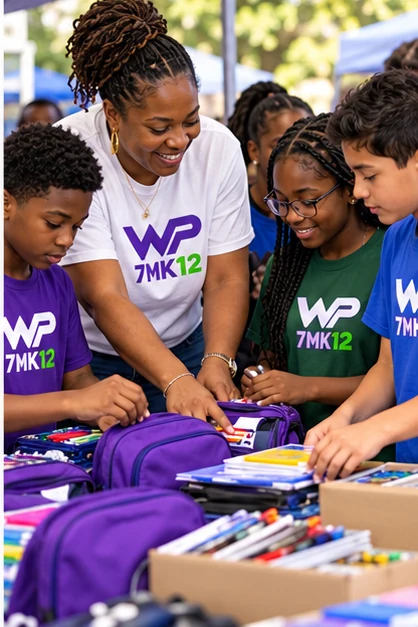
Objective and learning. Learners identify values, interests, and strengths, then shape a purpose statement that can guide educational, career, and service choices. The pathway includes self-discovery, career exploration, mentoring conversations, community needs, ethical choices, service leadership, and communicating a personal mission.
Evidence of understanding. A purpose statement, career interview, and service reflection show whether a learner can connect values to an action. Mentors look for evidence of listening and growth, not a fixed career answer.
Impact and connections. Purpose can make current learning more meaningful and help older students compare future opportunities with what matters to them. Mission gives Management a direction, Movement a reason to sustain wellbeing, Media an authentic message, and Money a responsible use.
Readiness for the next level. Cubbies name strengths and help in a simple service activity. Advance when they can explain why that action matters.
Movement
Move well. Stay strong. Grow resilient.Why it is needed. Health, energy, and stress affect learning, confidence, and participation. Students need positive routines that fit their own bodies and circumstances.
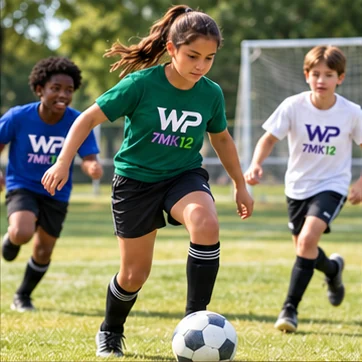
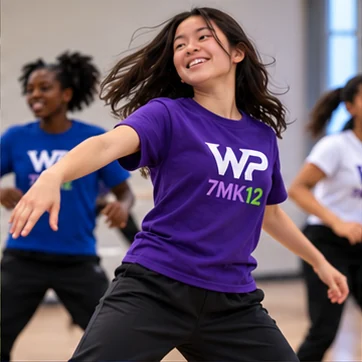
Objective and learning. The objective is to understand wellness, practice safe movement, notice stress signals, and make sustainable choices rather than chase a single performance standard. Students explore physical activity, rest, nutrition basics, teamwork, resilience, stress management, and long-term health planning. Activities can be adapted to different abilities.
Evidence of understanding. A personal activity and wellbeing journal, a realistic routine, and reflection on how they feel provide evidence of understanding. Assessment values consistency, safe choices, and self-awareness.
Impact and connections. A student can use these tools today to manage pressure and later to sustain work, relationships, and service over time. Movement strengthens the focus needed for Math and Music, the resilience required by Management, and the wellbeing that supports a long-term Mission.
Readiness for the next level. Cubbies identify enjoyable movement and practice a safe routine. Advance when they can describe rest and activity needs.
Music
Create boldly. Practice with purpose.Why it is needed. Creative talent grows when students have space to experiment, practice, receive feedback, and share work. Music offers an accessible route into expression and disciplined mastery.
Objective and learning. Students develop a creative voice and learn how practice, collaboration, and revision improve a performance or production. Lessons may cover rhythm, performance, composition, production tools, copyright awareness, creative teamwork, and assembling a portfolio. Prior experience is not required.
Evidence of understanding. Mentors compare early and revised work, review a practice record, and invite learners to explain their creative choices. Progress is measured by growth and craft, not by one style or genre.
Impact and connections. Creative expression can build confidence now and support future communication, media production, entrepreneurship, or lifelong enjoyment. Music draws on Math for patterns, Media for production and sharing, Management for practice, and Mission for the message behind the work.
Readiness for the next level. Cubbies explore rhythm and share a short creation. Advance when they can repeat and describe a simple pattern.
Media
Speak clearly. Create responsibly.Why it is needed. Young people create and encounter media every day. They need the skills to communicate clearly, check information, protect their reputation, and use new tools responsibly.
Objective and learning. Learners plan a message for an audience, choose an appropriate medium, and understand how a digital footprint can affect trust and opportunity. The curriculum covers public speaking, personal branding, AI productivity, source evaluation, video, podcasting, consent, privacy, and digital reputation. Projects include planning, recording, editing, and presenting.
Evidence of understanding. A short presentation or media piece is assessed with a rubric for clarity, accuracy, audience fit, and responsible use of sources. Learners reflect on feedback and make a revision.
Impact and connections. Better media judgment helps students participate safely now and prepare for future education, work, public leadership, and enterprise. Media communicates Mission, documents Music and Movement, explains Math findings, and can promote a Money project without misleading an audience.
Readiness for the next level. Cubbies tell a story, identify a trusted source, and ask before sharing an image. Advance when they can explain a basic safety choice.
Math
Reason with numbers. Solve real problems.Why it is needed. Students often meet numbers as isolated exercises. They need to see how reasoning, data, and calculation help them answer questions in daily life and business.
Objective and learning. The objective is to build confidence with financial math, spreadsheets, data analysis, and business and investment calculations appropriate to age. Students practice estimating, percentages, reading charts, building a simple spreadsheet, comparing options, calculating costs and margins, and explaining assumptions. Older learners introduce risk and time in investment examples.
Evidence of understanding. An applied problem, spreadsheet, or chart shows whether a student can choose a method, check the result, and explain what the number means. Mentors assess reasoning as well as accuracy.
Impact and connections. A learner can use math today to compare prices and plan a project; later it can support study, careers, entrepreneurship, and informed financial decisions. Math tests a Mission idea, measures Movement progress, supports Music patterns and Media data, and makes Money plans more reliable.
Readiness for the next level. Cubbies count, estimate, and compare small amounts. Advance when they can explain a calculation with objects or a drawing.
Money
Earn wisely. Build lasting choices.Why it is needed. Young people make financial choices before adulthood, yet many have little guided practice with earning, spending, credit, and ownership.
Objective and learning. Students learn to make a plan for money, recognize trade-offs and risks, and understand how responsible enterprise and long-term decisions may build opportunity. Age-appropriate lessons cover income, entrepreneurship, taxes, budgeting, saving, giving, credit, investing concepts, ownership, real estate concepts, and wealth building. Activities are educational examples, not personal investment advice.
Evidence of understanding. A budget, savings goal, comparison of borrowing costs, or simple enterprise plan reveals what a learner understands. Mentors ask students to explain assumptions, revise choices, and identify questions for a trusted adult.
Impact and connections. These skills can improve everyday choices now and prepare students to evaluate work, borrowing, and ownership decisions later. Money depends on Management for follow-through, Mission for values, Movement for wellbeing, Media for honest communication, and Math for sound calculations.
Readiness for the next level. Cubbies sort needs and wants and make a small saving plan. Advance when they can explain a choice and its consequence.
Capstone · Bring the Seven M’s together
The capstone answers a practical question: can a learner combine purpose, self-management, wellbeing, creative expression, communication, calculation, and financial judgment in one coherent project? Students choose a realistic idea or future goal and develop it with a mentor over several stages.
Cubbies assemble a My 7M Future Book with drawings, choices, and short explanations. Junior learners create a Future Builder Portfolio showing revised work and a simple plan. Senior learners present a Future Life & Wealth Blueprint with goals, a timeline, a budget or model, a media presentation, and a reflection on risk and service.
Mentors assess the process as well as the finished work: clarity of purpose, evidence from each M, accuracy of calculations, safe and ethical choices, ability to use feedback, and the learner’s explanation of what changed. Families can see growth in the portfolio, and students leave with a specific next step for the next level, future learning, or supervised real-world practice.
Explore registration →Continue from Cubbies · Ages 7–11
Discover. Practice. Build strong habits. See how students bring their learning together in a portfolio and future blueprint. Follow the related page for practical details, then contact the team if you need help choosing a next step.
Explore the capstoneReady to take the next step?
Talk with our team about the right path for a student, family, or organization.